
Sanar es un acto colectivo
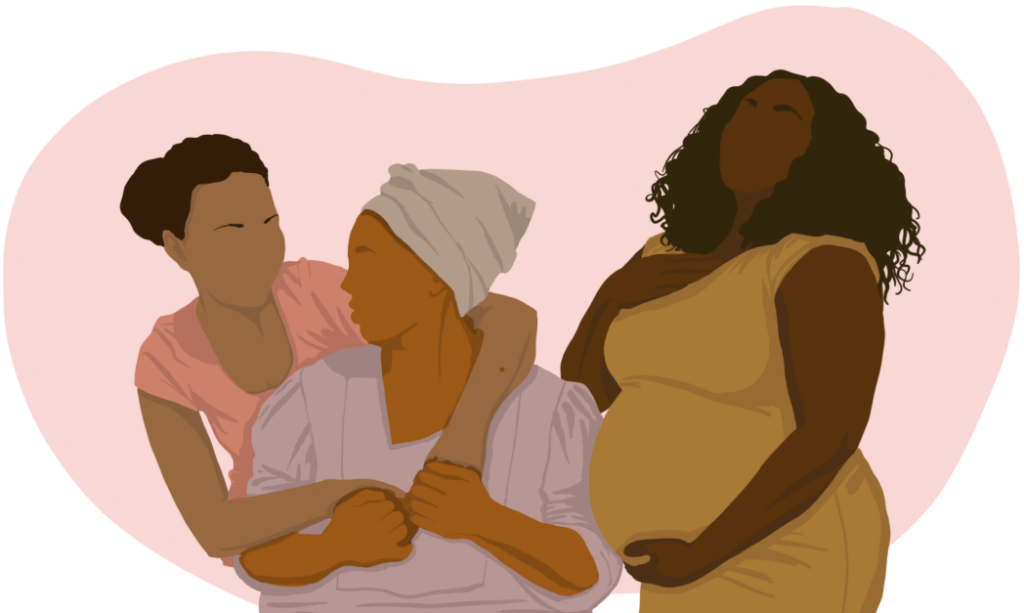
Si bien esta es una plataforma para ir a tu propio ritmo, al participar en ella estás sanando en comunidad junto con otras sobrevivientes. Te invitamos a ser parte consciente de este espacio donde afirmas tu camino y a la vez atestiguas los procesos de otras personas que también están recorriendo la página.
La separación física no limita nuestra capacidad de hacer comunidad. Creemos que la empatía, que es la capacidad de comprender y reflejar los sentimientos de otra persona, es un gesto de solidaridad y una forma de sostén mutuo.
Acerca de
Survivor’s Sanctuary
La plataforma Survivor’s Sanctuary es una invitación a elegir un proceso para sanar. Diseñamos el espacio como un santuario de recorrido libre para que las sobrevivientes conozcan y participen en 36 prácticas que acompañan este camino a su propio ritmo.
Hemos dividido las prácticas en tres puntos de partida hacia la recuperación: prácticas para la mente, prácticas corporales y prácticas de integración de la mente y el cuerpo. Encontrarás sesiones de 5, 15 y más de 25 minutos que te permitirán trabajar sin prisas. Tú decides si quieres profundizar directamente en las prácticas que más te llamen la atención o bien probarlas todas. Puedes guardarlas para más adelante, repetirlas o añadirlas a tu lista de pasos en el proceso de sanar.

Cómo sanamos
Las prácticas contenidas en la plataforma están orientadas al crecimiento postraumático, una noción que se define como «el cambio psicológico positivo que se experimenta al enfrentar circunstancias de la vida altamente desafiantes» (Calhoun y Tedeschi, 1996). Cada práctica de estos tres enfoques busca brindar apoyo a las sobrevivientes con información para comprender mejor lo que están experimentando, desarrollar la regulación emocional, fortalecer la confianza en sí mismas y redefinir su narrativa personal.
Crecimiento postraumático:
Se define como los beneficios psicológicos que integramos al afrontar de manera consciente circunstancias difíciles de la vida. El crecimiento postraumático se expresa en:
- La posibilidad de reconocer que tienes opciones para elegir cómo sanar y cómo definir tu experiencia de vida
- Una mayor capacidad de cuidar de ti y de otras personas
- La capacidad de crear de forma intencionada
- La capacidad de percibir y cultivar un estado de calma en el propio cuerpo
Enfoques
Prácticas organizadas en tres enfoques diferenciados
Nos hemos basado en abordajes largamente estudiados para resolver traumas complejos. Independientemente de que tengas o no un diagnóstico formal, creemos que todas las personas que han sobrevivido distintas formas de violencia sexualizada pueden beneficiarse de intervenciones específicas en estas tres áreas. Por sí solo, ningún eje es capaz de lograr un cambio total, ya que están concebidos para su mutua integración. Te invitamos a considerar estos enfoques como herramientas que puedes incorporar a tu propio camino.
Prácticas para la mente, prácticas corporales y prácticas de integración
Estas tres secciones están diseñadas para brindar a las sobrevivientes opciones y autonomía para elegir cómo viven el proceso. Muchas de nosotras nos hemos sentido despojadas de opciones y de autonomía al sufrir violencia; por eso, en ‘me too.’ buscamos restaurar estas cualidades a lo largo de la plataforma. Invitamos a cada persona a explorar las prácticas a su propio ritmo. Encontrarás sesiones de cinco, 15 y más de 25 minutos que te permitirán trabajar sin prisas. Tienes la libertad de profundizar en aquellas que más te llamen la atención o bien probarlas todas. Puedes guardarlas para más adelante, repetirlas o añadirlas a tu lista de logros en el proceso de sanar.
Sanar es un acto colectivo
En me too. International somos conscientes de que «sanar» es un verbo y, por ende, describe un proceso continuo de reconexión con el propio cuerpo, con el sentido del poder personal, con las relaciones con los demás y con el pasado y el futuro. Por lo tanto, sanar es un acto intencional, dinámico e intergeneracional. Nuestra teoría sobre el proceso de sanar se centra en el crecimiento, la recuperación tras el trauma y la decisión de sanar.
Sanar es una opción que se activa cuando nos decimos «sí» a nosotras mismas. Tu proceso está teniendo lugar en este momento, porque estás aquí, con nosotras. Para las sobrevivientes, sanar es la forma en que nos damos permiso para comenzar de nuevo. Tu presencia significa que has elegido dar pasos intencionales para sanar con amor y consciencia.
Para otras personas, la decisión de sanar se ha sentido más difícil de alcanzar porque no tienen claro «qué» y «cómo» sanar. Nuestra sanación empieza en nosotras mismos, pero no termina ahí. El proceso es más amable cuando nos sentimos acompañadas. Al priorizar nuestras necesidades, creamos un espacio para estar presentes y sanar en comunidad. Sobrevivir es un acto colectivo.
La empatía es el medio que permite a las sobrevivientes sanar en comunidad. Si sientes empatía hacia ti misma y tu propia historia, podrás sentir empatía por otras sobrevivientes. El camino hacia la sanación es un regalo personal que requiere valor y apoyo de la comunidad. La empatía actúa como un medio para conectarnos con las historias, los sentimientos y las experiencias de otras sobrevivientes.
La empatía es la herramienta que da fuerzas a las sobrevivientes y les recuerda que no están solas en este proceso de sanación. Es la capacidad de vernos reflejadas en otra persona y la invitación a abrirnos a alguien que conoce y comprende nuestra historia. Sobrevivimos juntas.
Elegimos sanar para recuperar nuestro poder —tanto a nivel individual como colectivo— y como un acto de resistencia contra la violencia estatal y el patriarcado. me too. International sostiene que las personas valientes construyen comunidades valientes. Aplicamos ese mismo principio a la sanación: las personas que han sanado construyen comunidades sanas.
Las comunidades que han sanado están en mejores condiciones para resistir y propiciar el cambio radical necesario para poner fin a la violencia sexualizada. Nuestra sanación individual encierra un gran poder, y ese poder puede canalizarse para impulsar la sanación de la comunidad. Independientemente de si te identificas como sobreviviente o no, aquí hay un lugar para ti como persona que ha sido afectada por la violencia.
En me too. International somos conscientes de que «sanar» es un verbo y, por ende, describe un proceso continuo de reconexión con el propio cuerpo, con el sentido del poder personal, con las relaciones con los demás y con el pasado y el futuro. Por lo tanto, sanar es un acto intencional, dinámico e intergeneracional. Nuestra teoría sobre el proceso de sanar se centra en el crecimiento, la recuperación tras el trauma y la decisión de sanar.
Sanar es una opción que se activa cuando nos decimos «sí» a nosotras mismas. Tu proceso está teniendo lugar en este momento, porque estás aquí, con nosotras. Para las sobrevivientes, sanar es la forma en que nos damos permiso para comenzar de nuevo. Tu presencia significa que has elegido dar pasos intencionales para sanar con amor y consciencia.
Para otras personas, la decisión de sanar se ha sentido más difícil de alcanzar porque no tienen claro «qué» y «cómo» sanar. Nuestra sanación empieza en nosotras mismos, pero no termina ahí. El proceso es más amable cuando nos sentimos acompañadas. Al priorizar nuestras necesidades, creamos un espacio para estar presentes y sanar en comunidad. Sobrevivir es un acto colectivo.
La empatía es el medio que permite a las sobrevivientes sanar en comunidad. Si sientes empatía hacia ti misma y tu propia historia, podrás sentir empatía por otras sobrevivientes. El camino hacia la sanación es un regalo personal que requiere valor y apoyo de la comunidad. La empatía actúa como un medio para conectarnos con las historias, los sentimientos y las experiencias de otras sobrevivientes.
La empatía es la herramienta que da fuerzas a las sobrevivientes y les recuerda que no están solas en este proceso de sanación. Es la capacidad de vernos reflejadas en otra persona y la invitación a abrirnos a alguien que conoce y comprende nuestra historia. Sobrevivimos juntas.
Elegimos sanar para recuperar nuestro poder —tanto a nivel individual como colectivo— y como un acto de resistencia contra la violencia estatal y el patriarcado. me too. International sostiene que las personas valientes construyen comunidades valientes. Aplicamos ese mismo principio a la sanación: las personas que han sanado construyen comunidades sanas.
Las comunidades que han sanado están en mejores condiciones para resistir y propiciar el cambio radical necesario para poner fin a la violencia sexualizada. Nuestra sanación individual encierra un gran poder, y ese poder puede canalizarse para impulsar la sanación de la comunidad. Independientemente de si te identificas como sobreviviente o no, aquí hay un lugar para ti como persona que ha sido afectada por la violencia.